Music theory
Music theory taught through clear, easy-to-follow concepts, engaging exercises, and interactive tools that make learning both practical and enjoyable. Lessons go beyond memorisation, using games, listening activities, and real-world examples to help you connect theory directly to your playing. With a focus on building long-term skills, these lessons aim to give you the confidence to read, analyse, and create music with a deeper sense of clarity and expression.
Discovering Music THeory
Whether you’re preparing for an ABRSM music theory exam or simply want to build a solid foundation in music theory, these structured online courses are designed to take you through each grade with clarity, confidence, and personal support. Ideal for aspiring musicians of all ages.
Each Grade Includes:
Weekly live sessions (60 minutes each) via Zoom
Small-group, interactive learning (max 8 students for group courses)
Complete downloadable materials plus optional homework
Engaging theory games & mock assessments to make learning fun
Weekly recaps and exam-style practice questions to reinforce understanding
What You’ll Gain:
A clear understanding of every topic in your chosen grade
Improved musical confidence and practical application of theory
The skills to progress to the next level or sit your ABRSM theory exam with confidence
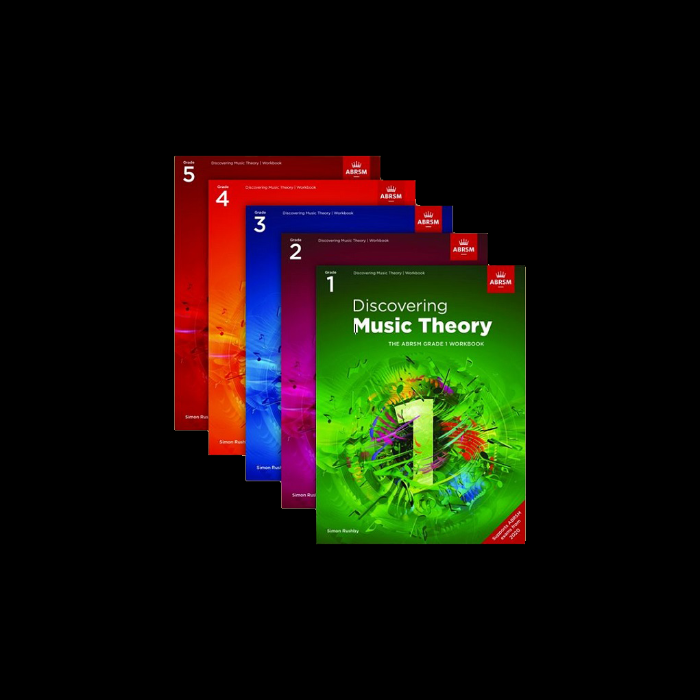
Structured learning. Real results. One grade at a time.
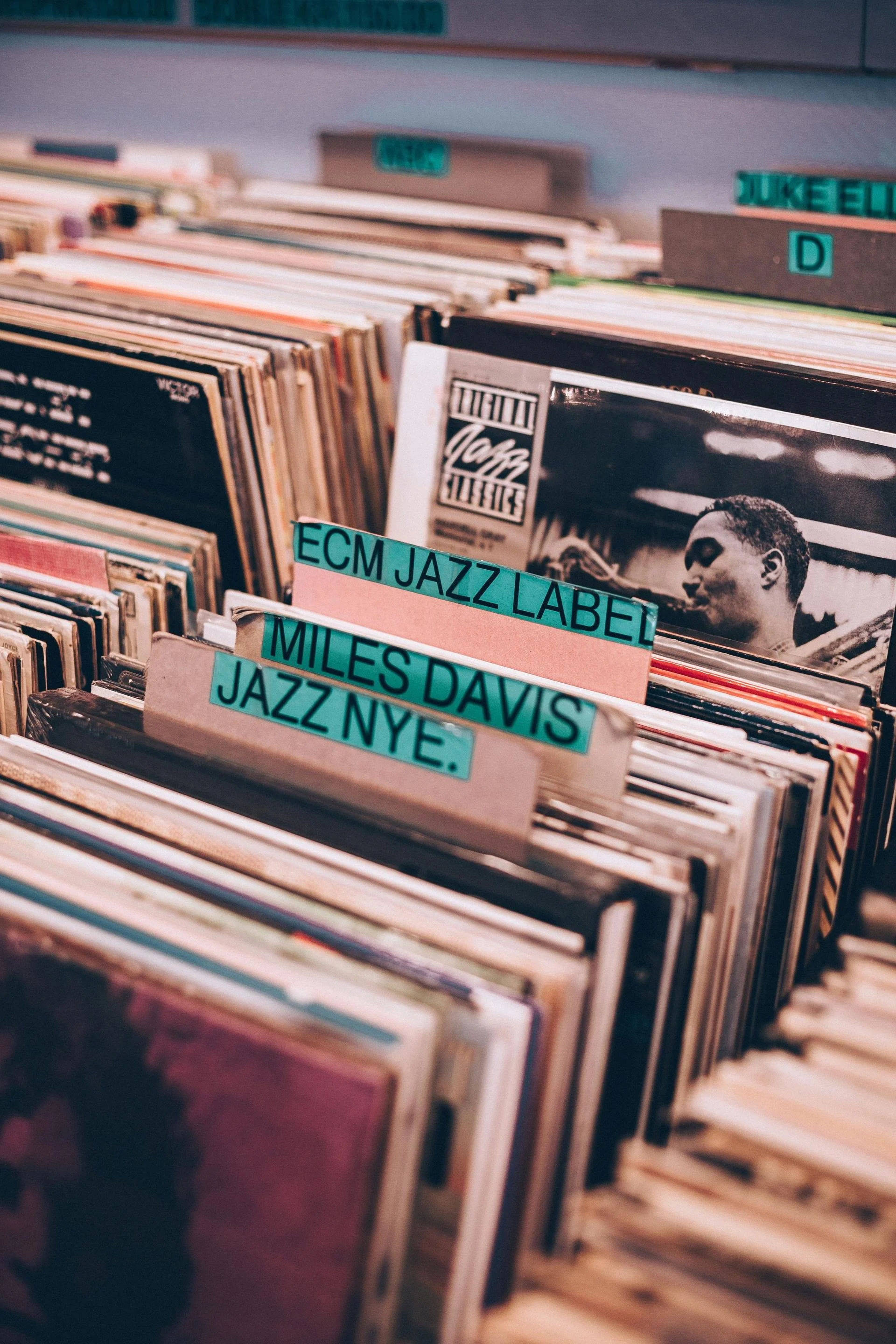
JAZZ HArmony
Learn the language of jazz with this focused Jazz Harmony course, designed to help you understand and apply the essential tools of modern harmony in your playing, writing, and improvising. Whether you’re new to jazz or looking to deepen your knowledge, this course breaks down complex concepts into clear, practical steps.
Course Includes:
Weekly live sessions (60 minutes each) via Zoom
Small-group, interactive learning (max 4 students)
Downloadable worksheets and listening guides
Practical exercises using real jazz standards
Ear-training, chord–scale relationships, and reharmonisation practice
What You’ll Gain:
A strong foundation in jazz chords, progressions, and substitutions
The ability to hear and apply common harmonic movements
Tools for improvising and composing with greater creativity
Confidence to analyse, play, and arrange jazz repertoire